Exploring Traditional Wool Garment Traditions Across Regions: Techniques, Textiles, and Cultural Significance
Wool, in its many regional guises, holds memory as much as warmth. From alpine cloaks that shield against alpine winds to the soft, undyed knits that cradle a newborn, wool garments carry stories of climates, economies, and social rituals. This narrative travels through time and geography, weaving together technique families—weaving, knitting, felting—with the fibers themselves, and the cultures that shaped their forms. In this examination, we explore how regional dress emerges from material choice, craft method, and the symbolic language encoded in pattern, color, and silhouette.
A Landscape of Wool: Regions, Cloth, and Climate
Across Europe, Asia, and the high latitudes, wool has long served as a durable canvas for human adaptation. In the Alpine regions, heavy wools weave into garments that carry the weight of weather and terrain, but also communicate belonging within a shared pastoral economy. In northern Europe, cloaks and shawls—woven or felted—bear the imprint of long winters and the logistics of trade routes that once threaded through frost-bitten valleys and bustling alpine markets. In pastoral cultures, the loom and spindle narrate a continuum from fleece to fiber, from a landscape to a wardrobe.
Each region crafts its wardrobe with an eye toward climate and social meaning. The choice of wool breed, dye sources, and weaving or knitting technique informs not only what the garment does in temperature regulation and durability, but how it is read by communities—whether as a marker of status, a signifier of regional identity, or a practical tool in daily life.
Consider how a single thread can travel from sheep to shawl to study. The following sections examine technique families— weaving, knitting, and felting—alongside regional fibers and motifs, and we highlight key figures whose work bridged traditional craft and contemporary scholarship.
Technique Family 1: Weaving as Cultural Chronicle
Weaving stands as one of the oldest textile arts, a structured conversation between loom, warp, weft, and the craftspeople who translate landscape into pattern. Regional weaving often reflects stored knowledge: how a valley’s climate favors thick, insulating weft; how dyestuffs drawn from local flora become color signatures that distinguish one valley from another.
In Alpine dress, for instance, woven belts and shawls frequently integrate geometric motifs whose geometry encodes lineage or village affiliation. The structure of the weave—plain weave, twill, or herringbone—carries a history of technique transmission across generations, migrating from household looms to cooperative workshops and, in the modern era, to university archives and textile museums.
Technique Family 2: Knitting and the Intimacy of Handcraft
Knitting elevates wool into wearable geometry. It is a language of stitches: garter, stockinette, rib, and complex colorwork. Regional knitting traditions reveal a reciprocity between social structure and technique. In hardy northern climates, mittens, hats, and sweaters gain complexity through colorwork patterns that stabilize and warm. In some regions, knitting becomes a social practice—part craft, part ritual—where knowledge is shared in communal spaces, and repurposed wool from discarded garments finds a new life in hats or mittens for the next generation.
The practice of knitting is also a repository of migration and exchange. Patterns travel beyond borders, adapting to new climates, languages, and economic realities. Within a scholarly lens, this cross-pollination illuminates how textile cultures evolve without losing core identity—how a traditional motif can be reinterpreted in contemporary fashion while preserving its historical resonance.
Technique Family 3: Felting and Transforming Wool into Form
Felting—whether wet felting or needle felting—transforms loose wool into dense, weather-ready fabrics and sculptural forms. This technique resonates with regions where resources were scarce or climate demanded awesomely sturdy materials. Felting is both a practical craft and an art form; it creates wearable armor against wind and cold while enabling expressive shapes that carry symbolic meaning—be it in hooded cloaks, ceremonial garb, or utilitarian storage wraps.
Across cultures, felted textiles reveal redundancy: the same fiber performs multiple roles—insulation, structure, and symbolic decoration. Studying felting highlights how communities harness the properties of wool to craft not merely garments, but cultural artifacts with communal memory and identity.
Fiber Sources and Dye Traditions: Local Colors, Local Ethics
Beyond technique, the fiber itself anchors regional practices. Local sheep breeds—merino, Corriedale, or mountain shortwools—offer wool with characters suited to specific garments and climates. The choice of fiber influences not only warmth and resilience but also the garment’s weight, drape, and airiness. Dye traditions—indigo from ponds, madder roots, weld and woad—provide color signatures that speak of trade routes, botanical knowledge, and ecological stewardship.
Ethnographic study often begins with a simple question: who wore this fabric, and why? The color palette, pattern motifs, and garment silhouettes together reveal social roles, rites of passage, and seasonal calendars. When researchers document these details, they create a tapestry of meaning that situates a textile within its broader cultural ecosystem.
Three Key Figures Across Time
1) Elena di Val d’Aosta (14th–15th century)
A master weaver from the Italian Alps, Elena’s surviving pieces—faintly dyed with local woad and accented by geometric patterns—offer a rare window into early Alpine textile economies. Her work demonstrates how monastic and mercantile networks could support artisans who wove cloth that traveled beyond village walls, linking mountain communities to distant markets.
Elena’s legacy lies not only in the cloth she produced but in the networks she sustained—cooperative labor, shared looms, and the exchange of dyeing knowledge that helped stabilize winter wardrobes across generations.
2) Johannes Skaar (1800s–early 1900s)
A scholar-artist who documented Nordic knitting traditions, Skaar compiled field notes and patterns from coastal and highland communities. His meticulous plates and transcriptions connected region-specific motifs to broader textile histories, illuminating how migratory labor and trade shaped sweaters, caps, and shawls into regional signatures.
Skaar’s work remains a touchstone for contemporary ethnographic textile studies, offering a bridge between traditional craft practice and modern archival methodology.
3) Aisha Abdulrahman (late 20th century–present)
A textile scholar and designer who foregrounds sustainable wool practices in North African and Sub-Saharan contexts, Abdulrahman explores how dyeing traditions meet modern ethics. Her fieldwork integrates community-led design with academic rigor, highlighting how dye gardens and local shearing practices sustain both culture and ecology.
Her work demonstrates how contemporary designers can honor regional techniques while advancing ethical sourcing, biodiversity, and fair labor practices in the wool supply chain.
A Scholarly Path: Reading Garment Traditions as Cultural Texts
Garment traditions encode climate adaptation, labor organization, and rituals into tangible form. To read them is to read a culture’s calendar: the months of wool production, the timing of yarn-weaving cycles, the patterns that signal kinship or status. The study of traditional wool garments thus becomes a method of ethnography—an investigation into how people live with the fibers sourced from their land, how they pass knowledge across generations, and how they respond to changing social and environmental conditions.
Scholars in this field ask pointed questions: How did a particular region’s sheep breed shape the texture and weight of a garment? What do motif families reveal about journeys and exchanges between communities? How have industrial changes altered the production of traditional wool? And crucially, how can modern audiences access these insights in ways that honor source communities and maintain rigorous scholarship?
Bringing Traditions to Light: A Case Study in Alpine Dress
The Alpine wardrobe emerges as a compelling case study of climate-informed craft. In villages perched above the valley floor, wool garments—coats, capes, shawls, and belts—are woven or knitted to negotiate both the chill and the social fabric of mountain life. The clothing is not merely protective; it is a public register of who belongs where, who could work where, and who could trade in the marketplace. The motifs and colorways tell the story of seasonal migrations, seasonal labor responsibilities, and the shared knowledge of shepherding life.
When researchers document these garments, they often pair textile analysis with oral histories, translation of archival records, and field observations. The result is a layered portrait that honors both technique and memory—the loom’s pulse synchronized with the cadence of harvest, yarn preparation, and community gatherings that reserve evenings for stories as much as stitch work.
A Note on Preservation and Access
The preservation of traditional wool garments is both curatorial and ethical. Museums, libraries, and universities bear the responsibility of safeguarding artifacts while making them accessible to researchers and curious readers alike. Access considerations include high-resolution documentation of stitches, fiber analysis, and careful provenance records to ensure transparency about sourcing and cultural ownership. Public-facing scholarship benefits from open bibliographies, translated field notes, and clearly cited sources that invite readers to explore further without compromising the lived realities of source communities.
As this article travels from Alpine loom to library shelf, the aim remains constant: to illuminate how wool garments carry the weight of history, the warmth of community, and the ingenuity of craft—across regions, across time, and across the many hands that coax fiber into form.
A Contemporary Lens: Wool Garments in the Modern Wardrobe
Today, textile scholars and designers draw on historical patterns to inform sustainable fashion and educational programs. The wool garment traditions described here endure not only as relics of the past but as living practices—reimagined in classrooms, galleries, and studios where students examine the relationships between climate, culture, and clothing. This ongoing dialogue between past and present enriches both scholarship and everyday use of wool, turning a simple sweater or shawl into a vehicle for cultural memory and ecological mindfulness.
The path forward invites collaboration: libraries digitizing textile archives; museums partnering with textile artists to create interpretive exhibits; and educators developing curricula that place regional dress within a broader human story. Through these collaborations, wool traditions are not preserved in amber but celebrated as active, evolving art forms that connect people to place, season, and story.
Product Spotlight: Wool as Craft and Comfort
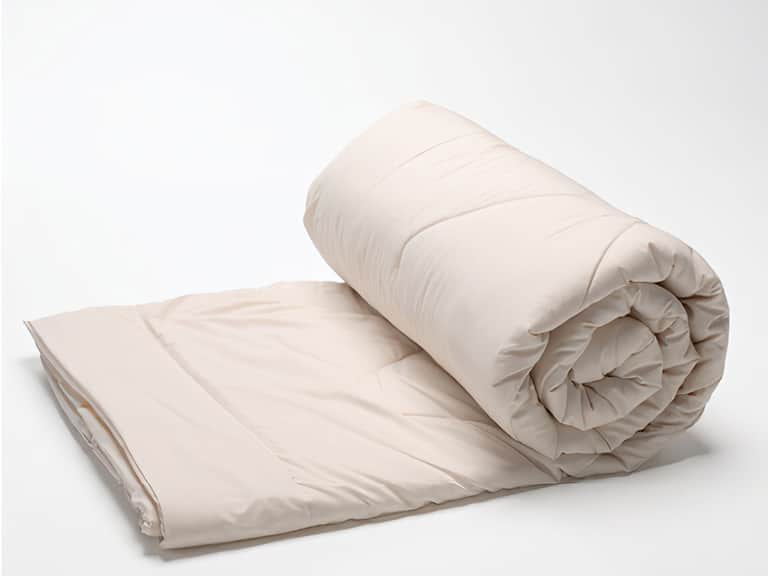
Suite Sleep Washable Wool Comforter
A lightweight wool comforter crafted for all seasons, machine-washable for easy care.
Filled with super-washed wool; 100% organic cotton sateen cover; quilted to keep wool in place. Care is simple—gentle cycle, air dry, and flat finish for longevity.
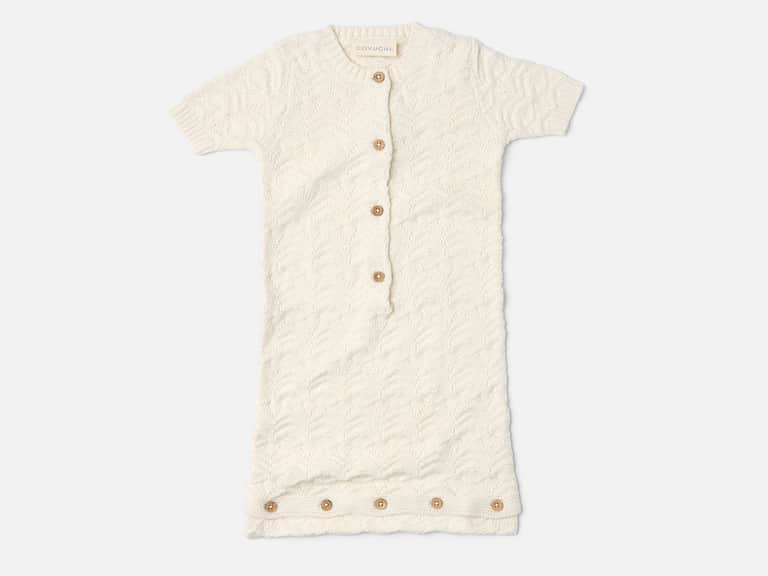
Wren Organic Knit Snuggle Sack (Undyed)
A baby sleep sack in 100% organic cotton—GOTS and Fair Trade certified.
Front placket with button closures; bottom opening for easy changes; machine washable, designed for safe, breathable sleep wear in early months.
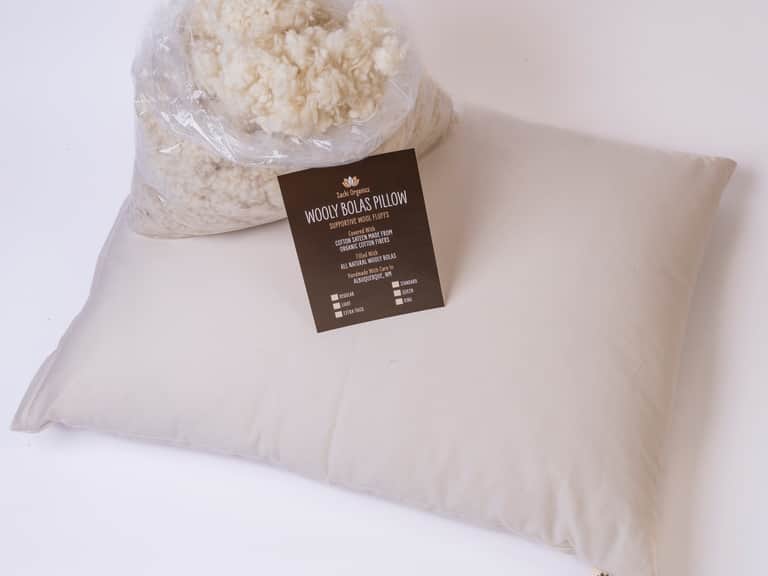
Wooly Bolas Pillow
A pillow built from Eco-Wool batting for natural loft and resilience.
Made in the United States with six-step carding to create consistent loft; breathable and supportive for daily use.
Note: Product visuals are provided with this article to illustrate the tactile quality and design language associated with wool textiles. Images are displayed for selected items to convey texture and form.
Conclusion: The Imperative of Cultural Textile Inquiry
Traditional wool garment traditions offer more than historical interest; they provide a framework for understanding how communities adapt, invent, and sustain themselves through material culture. By studying weaving, knitting, and felting within regional contexts, scholars not only recover technique but also illuminate social structures, economic networks, and ethical considerations that remain urgent today. In reimagining these traditions for the present, designers, educators, and researchers can foster a broader, more inclusive discourse around textiles—one that respects provenance, celebrates regional diversity, and champions sustainable craft for future generations.
As this journey through regions, techniques, and cultures closes, it leaves in its wake a reminder: wool, in its many forms, is a thread that binds people to place, people to memory, and memory to the ongoing craft of becoming. In the quiet weight of a well-made wool garment, we hear the whisper of history—and the durable future that textiles can still hold.